
Reactive Dog Training: Why Your Dog Really Barks and Lunges on Walks

Living with a reactive dog can feel exhausting.
Many owners dread walks long before they even pick up the lead. You may already feel tense before leaving the house, wondering whether today will involve barking, lunging, spinning, whining or another embarrassing scene as another dog appears around the corner.
If this sounds familiar, you are far from alone.
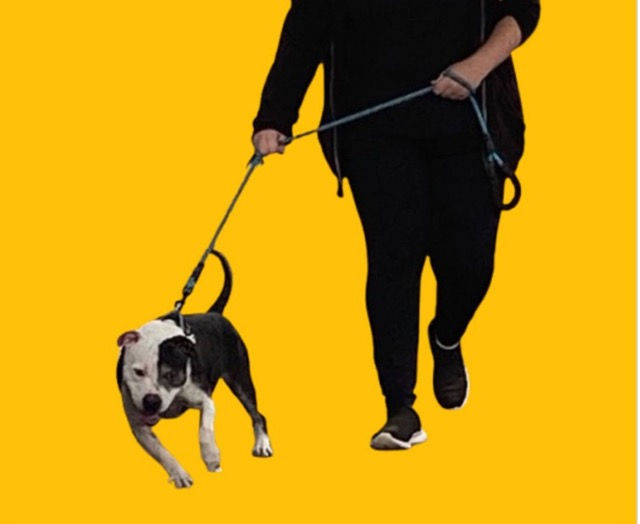
One of the biggest misconceptions about reactive dogs is that all reactivity comes from aggression. In reality, reactive dog behaviour can stem from many different emotional states and understanding the “why” behind your dog’s reactions is the first step towards real progress.
Some Reactive Dogs Are Frustrated, Not Aggressive
A large number of dogs who bark and lunge at other dogs are not trying to attack. They are often frustrated because they desperately want to get to the other dog to play, greet or interact.
Sadly, modern doggy care culture can contribute heavily to this.
Some dog day care environments lack structure, boundaries and appropriate rest periods. Dogs can spend hours becoming overstimulated in large groups with constant rough play, excitement and very little guidance about calm behaviour.
The result is often a dog who learns that seeing other dogs means instant excitement and chaos.
When that same dog is then restrained on a short lead during a walk, frustration builds rapidly. Barking and lunging become an emotional outburst because they cannot access what they want.
Many owners are shocked when they realise their “aggressive” dog is actually a socially frustrated dog who has never learnt calm emotional control around other dogs.
Some Dogs Find Reactivity Rewarding and Stimulating
This is another important conversation that many people avoid.
Some dogs genuinely find reactive behaviour stimulating and rewarding. The barking, chasing, lunging and explosive behaviour creates an adrenaline rush that becomes self-reinforcing over time.
This raises important questions about lifestyle and whether a dog’s daily life truly matches their biological needs and genetic drives.
Take Border Collies as an example. These dogs were selectively bred for generations to herd and chase sheep using intense focus, movement sensitivity and high mental stamina. Yet many are now expected to live largely sedentary lives as house dogs with little meaningful outlet for those instincts.
Without appropriate fulfilment, dogs often create their own stimulation.
That stimulation may show up as reactivity, obsessive behaviour, hypervigilance, chasing, fixating or an inability to switch off outdoors.
This does not mean your dog is “bad”. It means their nervous system and instincts may not be properly channelled.
Fearful and Defensive Reactive Dogs Need Understanding, Not Punishment
At the other end of the spectrum are fearful reactive dogs.
These dogs are often deeply misunderstood because their behaviour can look dramatic and highly aggressive. Barking, growling, snarling and lunging are frequently defensive displays designed to create distance and keep themselves safe.
Many fearful reactive dogs have experienced:
poor early socialisation
frightening encounters with other dogs
traumatic attacks
repeated overwhelm
chronic stress
unpredictable handling
Some rescue dogs arrive with unknown histories and extremely fragile confidence.
For these dogs, reactivity is often rooted in survival rather than stubbornness or dominance.
The challenge is that the more successful the behaviour becomes at keeping other dogs away, the more rehearsed and deeply ingrained it can become.
The Emotional Toll on Owners Is Very Real
One of the saddest parts of reactive dog ownership is how isolated owners often become.
Many people have already spent months searching Facebook groups, watching videos, downloading training apps and trying endless advice from social media. Yet despite genuinely wanting to help their dog, they often find themselves becoming more overwhelmed and less confident.
This is entirely understandable.
Trying to apply training exercises while your dog is exploding at the end of the lead is very different from watching a calm demonstration online.
Many owners feel vulnerable walking their reactive dog alone. They worry about judgement from other people, fear losing control of the situation and begin avoiding walks altogether.
Confidence takes a huge hit.
This matters because one of the major exacerbating factors in dog reactivity is owner handling skills, uncertainty and nervous energy that dogs quickly pick up on.
Dogs are incredibly perceptive. Tight handling, hesitant movement, shallow breathing and anticipation of problems all communicate information down the lead.
Owners are often blamed for this unfairly when in reality they simply have not been properly coached.
The Wrong Walking Equipment Often Makes Things Worse
Modern dog training marketing has created an incredibly confusing world for owners.
Everywhere you look there are promises of:
“no-pull harnesses”
“gentle leaders”
anti-pull gadgets
restrictive equipment
short training leads
quick fixes
Most are marketed as being kinder or more humane.
Yet in many reactive dogs, restrictive handling equipment combined with short leads simply creates more physical frustration and tension.
This does not mean every harness is wrong. It means equipment should support calm movement, communication and good handling rather than simply trying to suppress behaviour mechanically.
The reality is that no piece of equipment replaces proper coaching, timing, calm leadership and understanding your dog’s emotional state.
Why In-Person Reactive Dog Training Makes Such a Difference
Reactive dog training is not simply about teaching exercises.
It is about helping both the dog and owner feel calmer, safer and more capable together.
As a trainer who provides one-to-one, in-person dog training, I work alongside owners during real walks in real environments. I do not simply hand over a checklist and hope for the best.
I support you practically and show you exactly:
how to handle the lead
how to move with your dog
how to read your dog’s body language
how to reduce tension
how to create better engagement
how to advocate for your dog calmly
how to build your own confidence again
Very often, owners need coaching just as much as their dogs do.
Once handling improves and owners begin feeling calmer and more capable, dogs frequently respond far more quickly than expected.
Reactive Dogs Can Improve With the Right Support
There is no one-size-fits-all solution for reactive dogs because every dog is reacting for different reasons.
Some need better emotional regulation.Some need clearer structure.Some need confidence building.Some need healthier outlets for instinctive drives.Some simply need owners who finally feel supported rather than judged.
Most importantly, owners need realistic help from someone who understands how emotionally draining reactive dog ownership can become.
Walks should not feel like a daily battle.
With the right training, improved handling skills and calm, consistent guidance, both you and your dog can begin to enjoy life together again.


Comments